

Evidence-based care, shaped around you.
Explore specialized approaches that may support your well-being. Our clinicians thoughtfully match proven methods to each person, couple and family.
Explore treatment approaches that may be effective for you at Arizona Family Institute.
Explore specialized treatment approaches and take the next step toward your well-being. Connect with your therapist to delve into tailored treatments or schedule an appointment. Your journey to personal growth begins with a simple conversation.
Your therapist will help you understand which approach—or combination of approaches—best fits your needs and goals.
How we support healing
-

Accelerated Resolution Therapy (ART)
Accelerated Resolution Therapy (ART) is a form of therapy that helps people process and overcome trauma and other difficult memories or experiences. It involves using eye movements and visualization techniques guided by a therapist to address and alleviate distressing emotions. The goal is to help individuals feel better and find resolution in a faster and more efficient way than traditional talk therapy. ART can be a helpful approach for dealing with challenging experiences, emotions, and memories without having to discuss them in depth.
-

Emotionally Focused Therapy (EFT)
Emotionally Focused Therapy (EFT) is a type of counseling that concentrates on emotions and relationships. It helps couples or individuals understand and improve their emotional bonds. The therapist works to identify and address patterns of communication and behavior that may be causing distress. Essentially, EFT is like a roadmap for creating stronger emotional connections. It helps people express their feelings, listen to each other, and build a more secure and loving relationship.
-

Cognitive Behavior Therapy (CBT)
Cognitive Behavioral Therapy (CBT) is a type of counseling that helps people understand and change the way they think and act. It recognizes that our thoughts, feelings, and actions are all connected. In CBT, a therapist works with you to identify negative thought patterns and behaviors that might be causing problems in your life. Then, they help you develop healthier ways of thinking and behaving. It's like rewiring your brain to create more positive and effective ways of dealing with challenges and emotions.
-

Family Systems Therapy
Family Systems Therapy is a type of counseling that looks at the family as a whole, rather than focusing on individual members. It sees the family as an interconnected system where each person's actions and emotions affect others around them. The therapist helps the family understand how they function together and how patterns of communication and behavior impact relationships as well as help family members improve how they interact and support each other. It's about working together to create a healthier family environment.
-

Mindfulness
Mindfulness is a way of paying attention to the present moment and being fully engaged in what you're doing without getting overwhelmed by thoughts or worries about the past or future. It involves being aware of your thoughts and feelings without judgment and focusing on the current experience. In simpler terms, mindfulness is about being present and conscious in the here and now, appreciating each moment as it comes, and not letting distractions take away from the richness of your experiences.
-

Narrative Therapy
Narrative therapy is a type of counseling that focuses on the stories we tell about our lives. It recognizes that people create narratives or stories to make sense of their experiences. In therapy, the emphasis is on understanding and changing these stories to promote positive change. It's like working together with a therapist to reshape the way you see and talk about your life, helping you view challenges in a new light and empowering you to create a more fulfilling narrative for yourself.
-

Solution-Focused Therapy
Solution-focused therapy is a type of counseling that concentrates on finding solutions to current issues rather than dwelling on problems. It involves setting specific goals and exploring what is already working in a person's life to build on those strengths. Instead of delving deeply into past troubles, the focus is on creating a positive vision for the future and identifying practical steps to achieve it.
-

Strength-Based Therapy
Strength-based therapy is a type of counseling that focuses on an individual's strengths, abilities, and resources rather than on weaknesses or problems. It emphasizes identifying and utilizing personal strengths to overcome challenges and achieve goals. It's a positive and empowering approach to addressing difficulties and fostering resilience.
-

Gottman Therapy
Gottman Therapy, based on the research of Dr. John Gottman, is a type of counseling that focuses on improving relationships, especially in couples. The therapy aims to strengthen communication, increase intimacy, resolve conflicts, and provide a path for couples to build a more positive and loving connection and create a stronger foundation for a lasting relationship.
-

Dialectical Behavior Therapy (DBT)
Dialectical Behavioral Therapy (DBT) is a type of therapy that helps people manage intense emotions and improve their relationships. It focuses on teaching skills to cope with stress, regulate emotions, and communicate effectively. Essentially, it's all about learning practical skills to lead a more balanced and fulfilling life.
-

Attachment Building
Attachment building therapy is a type of counseling that focuses on improving the emotional connection between individuals, typically family members or couples. The goal is to strengthen the bonds and feelings of security between them. In these sessions, people learn how to communicate better, understand each other's needs, and create a more positive and supportive relationship.
Arizona Family Institute
Check Out Our Latest Blog Posts
-
-

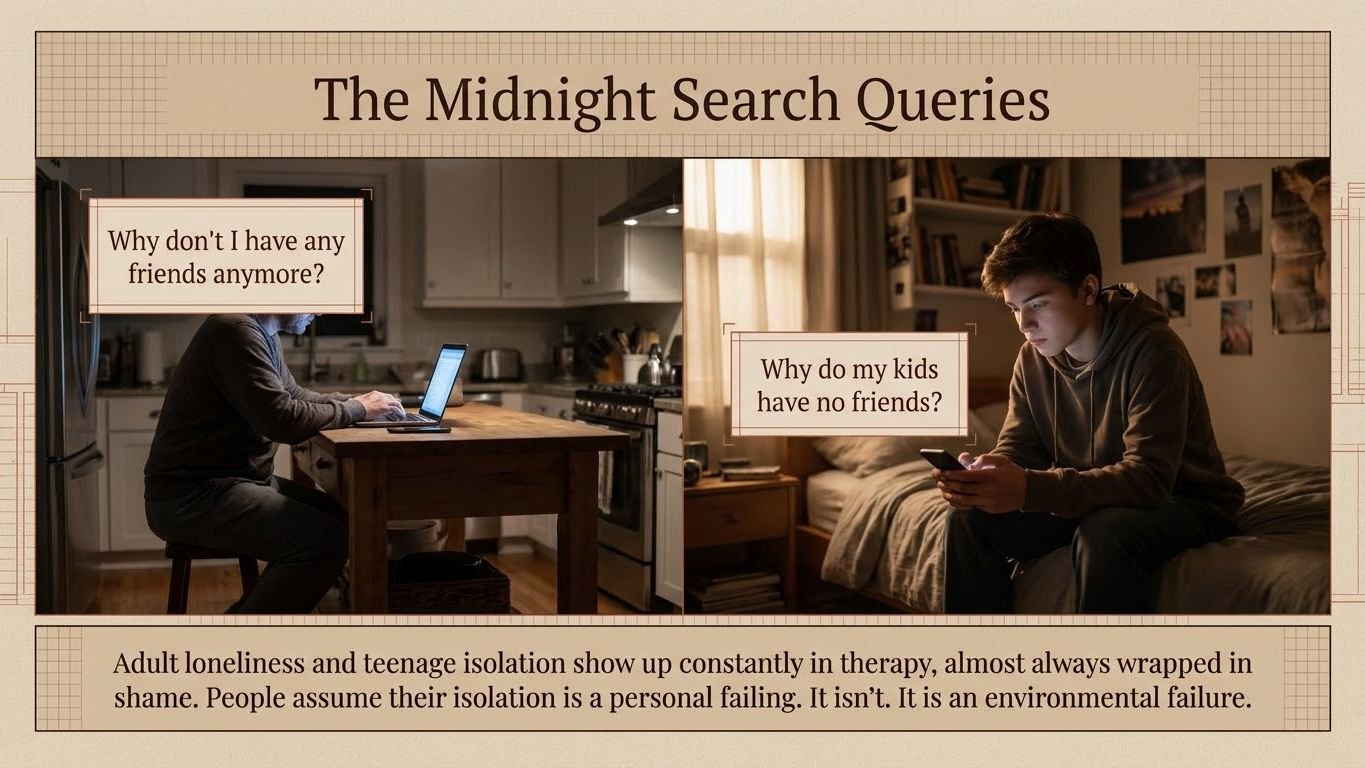
Loneliness Is Not a Phone Problem
Jul 13, 2026
-

Repair Is a System, Not a Stumble
Jun 18, 2026
START WITH A CONVERSATION
Find an approach that feels right for you.
Connect with our team to explore tailored treatment or schedule an appointment.